If you have researched modern nose surgery, you have probably seen the terms “ultrasonic” or “piezo” rhinoplasty. It is a genuine advance in how surgeons reshape the bones of the nose, but it is also surrounded by some marketing hype. This guide explains what it really is, what it can and cannot do, and who it tends to suit.
What Is Ultrasonic (Piezo) Rhinoplasty?
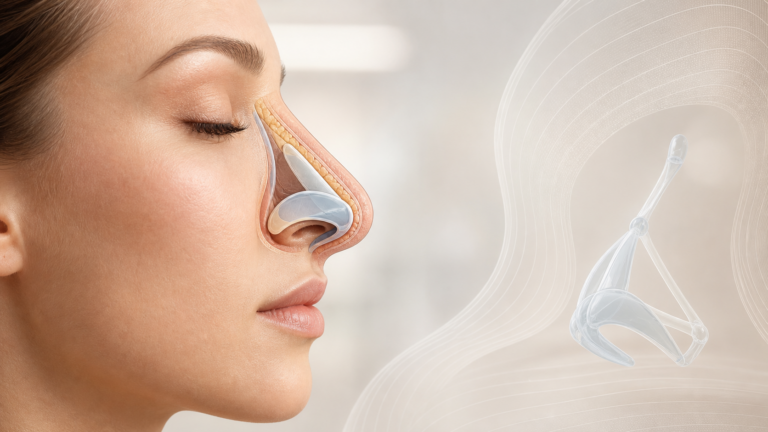
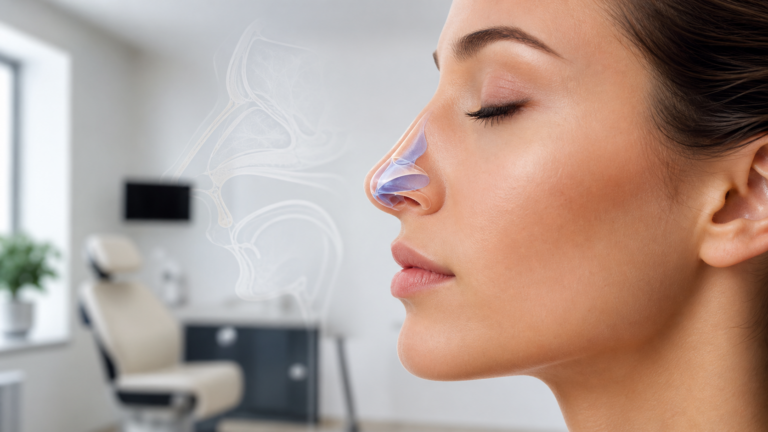
Ultrasonic rhinoplasty uses a device called a piezotome, which reshapes bone with high-frequency ultrasonic vibrations. The key feature is selectivity: the instrument cuts and sculpts hard bone while sparing the surrounding soft tissue, such as blood vessels, cartilage and the lining of the nose.
Traditional techniques rely on manual instruments like chisels and rasps to break and file bone. These are effective in skilled hands, but they are less precise and can create more disruption to nearby tissue. Piezo technology allows the surgeon to sculpt the bony framework in a more controlled, detailed way.
The Benefits of Piezo Technology
- Precision: fine, controlled reshaping of bone, including subtle refinements that are hard to achieve manually.
- Soft-tissue protection: because it targets only bone, surrounding tissue is better preserved.
- Potentially gentler recovery: many surgeons observe less bruising and swelling, although this varies between patients and is not guaranteed.
- Better visibility: reshaping under direct vision helps the surgeon achieve a smooth, even bridge.
These are meaningful advantages, but it is worth being clear-eyed. Piezo is a refined tool, not magic. The skill and judgement of the surgeon still matter far more than the instrument itself.
Structural Preservation
Modern rhinoplasty increasingly favours a “preservation” philosophy, which aims to keep as much of your natural nasal structure as possible rather than removing large amounts and rebuilding. Piezo technology fits this approach well, because its precision lets the surgeon adjust and reshape bone while protecting the underlying framework.
The goal of preservation is a nose that looks natural, breathes well and ages gracefully, rather than an over-operated appearance. A well-preserved structure also tends to be more stable over the long term.
Who Does It Suit?
Ultrasonic rhinoplasty is especially useful when bone work is a significant part of the plan, for example reducing a bony hump, narrowing a wide bridge or straightening the bony pyramid. It is not a separate operation so much as a technique used within a full rhinoplasty.
Skin Thickness Still Matters
Your skin type strongly influences your result, regardless of the technique used underneath:
- Thin skin shows the underlying bone and cartilage clearly, so the precision of piezo work can be particularly visible and beneficial. Because thin skin hides little, meticulous refinement matters.
- Thick skin drapes over the framework and tends to hold swelling longer, so it can take more time to reveal the final shape. Piezo can still help refine the bone, but expectations about definition need to be realistic.
During a consultation, a good surgeon assesses your skin, bone and cartilage together and explains honestly what is achievable for you, rather than promising a specific dramatic outcome.
Realistic Expectations
Whatever technique is used, rhinoplasty heals slowly. Swelling settles over many months and the final result can take well over a year to appear, sometimes longer with thicker skin. Ultrasonic rhinoplasty may make certain steps more precise and, for some people, more comfortable, but it does not shortcut healing or guarantee perfection. The most reliable predictor of a good outcome remains an experienced surgeon, a sound plan and realistic goals, supported by proper long-term aftercare of around 18 months.
Frequently Asked Questions
Is ultrasonic rhinoplasty better than traditional rhinoplasty?
It offers greater precision in bone reshaping and can protect surrounding tissue, which many surgeons find valuable. However, it is a tool used within rhinoplasty, and the surgeon’s skill and plan matter more than the instrument itself.
Does piezo rhinoplasty mean less swelling and bruising?
Many surgeons observe less bruising and swelling because soft tissue is better preserved, but this varies from person to person and cannot be guaranteed. Healing still takes many months.
Is ultrasonic rhinoplasty suitable for thick skin?
Yes, it can be used with any skin type. Thick skin holds swelling longer and reveals definition more slowly, so realistic expectations are essential, but precise bone work still contributes to a good foundation.
Will piezo rhinoplasty give me a faster recovery?
It may make some early recovery more comfortable for certain patients, but it does not change the fact that final refinement takes well over a year. Patience and structured follow-up remain important.
If you would like to know whether ultrasonic rhinoplasty is right for your nose and goals, we are happy to explain your options clearly and honestly. Book a free video consultation with Op. Dr. Aytaç Kılıç via WhatsApp or our contact form, and we will assess your skin, structure and expectations together.