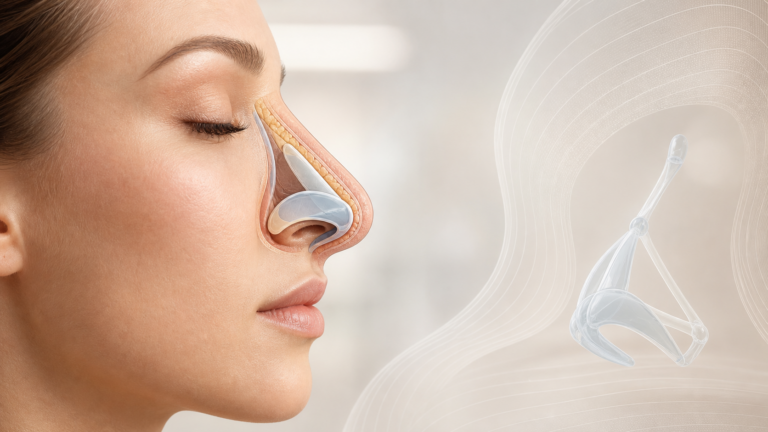
“Is it safe?” is the right first question to ask before travelling for surgery, and you deserve an honest answer rather than reassurance. Rhinoplasty in Turkey can be very safe, but safety is not automatic; it depends on the specific surgeon, hospital and follow-up you choose. This guide explains what genuinely makes surgery safe and how to spot the warning signs.
Safety Is About the Provider, Not the Country
Turkey has world-class hospitals and highly experienced surgeons, alongside a small number of operators who cut corners. The country name on your itinerary tells you very little. What protects you is the standard of the individual practice, so your job is to assess that carefully rather than assume the whole destination is either safe or risky.
Hospital Setting: Full Hospital, Not Just a Clinic
One of the clearest safety signals is where your operation takes place. Rhinoplasty is real surgery under general anaesthesia, and it belongs in a properly equipped, accredited hospital, not a small standalone clinic set up mainly for consultations.
- A full hospital has emergency equipment and intensive-care backup if anything unexpected happens.
- It has dedicated, qualified anaesthesia teams rather than borrowed or occasional staff.
- Accreditation means the facility is regularly inspected against recognised standards.
Always ask the specific name of the hospital where you will be operated on, and check that it is a licensed medical facility.
Anaesthesia and the Team Around You
Modern rhinoplasty is usually performed under general anaesthesia, which is very safe when managed by a specialist anaesthetist. Before surgery you should have appropriate health checks, and you should be asked in detail about your medical history, medications and allergies. If a provider seems uninterested in your general health and only focuses on selling the operation, treat that as a red flag.
Red Flags to Avoid
- Prices that are dramatically lower than everyone else, which often means compromises somewhere.
- Guaranteed results or promises that you will look like a particular celebrity or photo.
- Pressure to book immediately, pay in full early or decide before you feel ready.
- No clear, named surgeon, or a package where you never learn who will actually operate.
- Vague or missing information about the hospital, anaesthesia and aftercare.
- No proper medical assessment before agreeing to surgery.
A trustworthy surgeon is comfortable saying no. Screening out unrealistic requests and declining operations that are not in your interest is a sign of ethics, not weakness.
Questions to Ask Before You Commit
- Who exactly will perform my surgery, and what is their rhinoplasty experience?
- Which accredited hospital will I be operated in?
- Who provides the anaesthesia, and what pre-operative checks will I have?
- What are the realistic risks and limitations for my nose specifically?
- How will follow-up work once I return home?
Why Structured Follow-Up Matters So Much
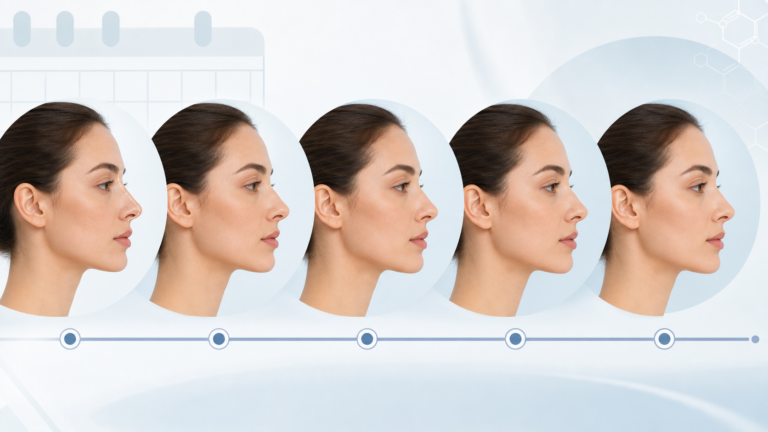
Safety does not end on the operating table. Rhinoplasty heals slowly over many months, and issues, though uncommon, can appear after you have flown home. A responsible practice builds in structured follow-up, often around 18 months, with clear channels to reach your surgeon and review your progress remotely. If a provider goes quiet the moment your payment clears, you have not been kept safe; you have been sold a procedure. Ask precisely how aftercare works before you commit to anything.
Frequently Asked Questions
Is rhinoplasty in Turkey actually safe?
It can be very safe when performed by an experienced surgeon in an accredited hospital with a proper anaesthesia team and structured follow-up. Safety depends on the specific provider you choose, not on the destination as a whole.
What is the most important safety check I can make?
Confirm that your surgery takes place in a licensed, accredited hospital with dedicated anaesthesia staff, and that a single named, experienced surgeon is responsible for your care from consultation through recovery.
What are the clearest warning signs of an unsafe provider?
Unusually cheap prices, guaranteed results, high-pressure sales, an unnamed surgeon, vague details about the hospital, and no long-term aftercare plan are all reasons to walk away.
How will you look after me once I fly home?
We plan long-term, at-a-distance follow-up, typically around 18 months, so you can share progress and reach us throughout your recovery rather than being left alone once you leave Antalya.
If you want a calm, honest conversation about whether surgery is right for you and how we keep patients safe from start to finish, we would be glad to talk. Book a free video consultation with Op. Dr. Aytaç Kılıç through WhatsApp or our contact form, and ask us anything, including the difficult questions.